
If you are suffering from memory issues, like not being able to recall events or things, you’re at the right place. I’m going to reveal the herbal treatment to improve memory, for kids and adults. This is a common problem in humans, most especially among aged folks, manifesting in terminal conditions like Alzheimer’s disease.
Thankfully, nature has provided us with all that we need to treat issues like memory loss, leading to drastic improvement in memory recall and enhanced ability to remember situations and events. Read on.
Some Facts about Human Memory
One fascinating aspect of human memory issues is that our memories aren’t like fixed recordings – they’re dynamic and reconstructive. Every time we recall an event, our brains can subtly alter the memory by integrating new experiences or information. This means that even “accurate” memories can shift over time, sometimes leading to distortions or entirely false recollections. This phenomenon is at the heart of curious occurrences like the Mandela Effect, where groups of people remember events differently from how they actually occurred.
Another intriguing point is the role of specific brain regions in memory. For example, the hippocampus plays a critical part in forming and retrieving memories, and damage to this area can lead to significant memory impairments. Yet, in many neurodegenerative conditions like Alzheimer’s disease, individuals often lose recent memories first while older, long-established memories remain intact for longer. This pattern offers researchers important clues about how memories are stored and processed across different parts of the brain.
Moreover, the brain’s ability to reorganize itself – a property known as neuroplasticity, can sometimes help compensate for memory issues. Through targeted exercises and rehabilitation, it’s possible to strengthen remaining neural connections or even form new ones, highlighting the resilience and adaptability of our cognitive functions.
Memory loss is a multifaceted condition that can manifest in various forms and degrees. It encompasses a range of issues from everyday forgetfulness to severe impairments that significantly disrupt daily life.
Types of Memory Affected
Short-Term Memory
Often described as the brain’s “working memory,” it involves retaining information for brief periods. Problems here might mean struggling to remember recent conversations or tasks.
Long-Term Memory
This includes personal experiences (episodic memory) and general knowledge (semantic memory). Issues in long-term memory can affect the recall of life events or learned information.
Procedural Memory
This type involves skills and habits, like riding a bike. Damage to the areas that store procedural memories can disrupt these abilities, though it is less common compared to other types.
Causes of Memory Loss
Aging
As we age, it’s normal to experience some degree of forgetfulness. However, the occasional misplacement of items or brief memory lapses generally don’t interfere significantly with daily life.
Neurodegenerative Diseases
Conditions such as Alzheimer’s disease and other forms of dementia lead to progressive memory loss. In these cases, memory loss is often an early sign, particularly affecting the hippocampus, the brain region crucial for forming new memories.
Brain Injury
Traumatic brain injuries (TBIs) from accidents can result in temporary or long-term memory loss. Stroke or other vascular events that disrupt blood flow to brain regions involved in memory can also lead to deficits.
Psychological Factors
Stress, anxiety, and depression can impair memory formation and retrieval. The brain’s chemical balance can be affected by chronic stress, resulting in challenges with concentration and memory.
Medical Conditions
Infections, metabolic imbalances, or other medical issues such as thyroid disorders can also contribute to memory problems. In some cases, memory loss might be a side effect of certain medications.
Impact on Daily Life
Memory loss can range from minor inconveniences to significant impairments. For many older adults, occasional forgetfulness is a normal part of aging and does not severely impact their quality of life. However, when memory loss is pronounced—as seen in dementia or after a brain injury – it can hinder daily activities, from managing finances to maintaining personal relationships.
Diagnosis and Management
It’s important to assess memory issues early on, especially when the changes are noticeable or worsening. Watch your kids’ performance in schoolwork. If they are showing signs of forgetfulness or not doing well in grades, despite good teaching, then it’s time to deal with it on time to avoid the progression of this issue.
Medical professionals can perform cognitive tests and imaging studies to determine the underlying causes. However, here are herbal treatment options you should consider.
Herbal Treatment to improve Memory
Ginkgo biloba leaves / Fruit
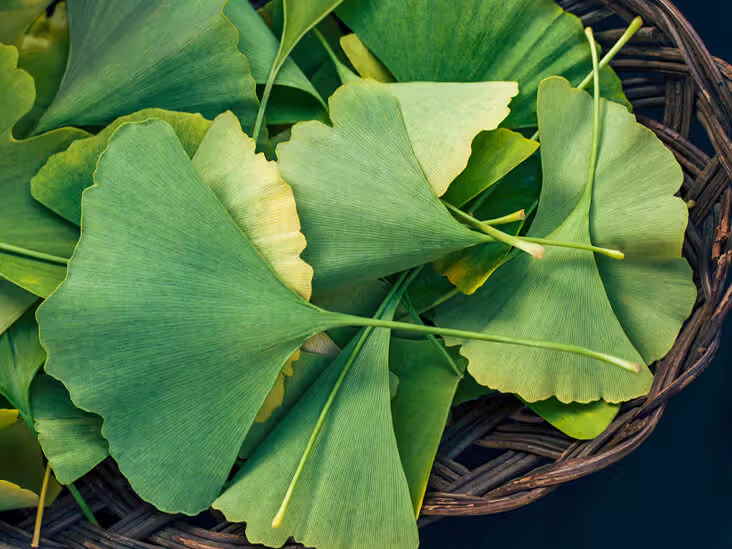
A decoction of the leaves or powdered leaves is effective in helping to strengthen memory functions in kids and adults. You can take half a glass every morning on an empty stomach. Within a short while, you will notice drastic improvement in memory capabilities. You can also eat the fruit of Ginkgo biloba for the same effect.
Moringa bark and Honey

While Moringa oleifera leaves offer numerous healing capabilities (it is believed to cure over 300 diseases), the bark of the moringa tree is also medicinal. In this case, it is effective for memory loss and strengthening the retentive capabilities of the brain.
Take a reasonable quantity of moringa oleifera bark, allow to dry at room temperature. This is to prevent the destruction of its virtues. After drying, put the barks in a clean bottle and add pure honey to it. Allow to stand for a week before use.
Take 1 tablespoon every morning and evening at bedtime. It improves the retentive memory capabilities of children and adults, especially those at old age.
Lantana camara and Honey

This flowering plant can be found growing wild around us. It is characterized by its sharp thorns on its stems. Gather a sizeable quantity of the leaves and prepare a tea with it. It should be taken on an empty stomach, first thing in the morning and last thing at night. You can add pure honey to improve its taste.
Furthermore, this solution is also effective for the treatment of stroke. Use the same method of preparation and administration. It is effective especially if the stroke is ischemic and less than one year.
Concluding Thoughts
Did you find this article helpful? if so, kindly let us know in the comments section below. You should also contact us for your testimonial. We would love to hear your story. We publish herbal treatments for various diseases and ailments, advocating a return to natural medicine. Don’t forget to turn on push notifications to keep informed when we publish an article.
Nature heals.